






Help your young athlete stay in the game by preventing and managing sports injuries.
If you’re a Wichita sports parent, your calendar likely revolves around practices, games and weekend tournaments. Youth sports offer so many benefits like building confidence, friendships and strong, healthy bodies. But because kids are still growing, they’re also subject to certain types of injuries.
The encouraging news? Many sports injuries are preventable and knowing what to watch for can make a big difference.
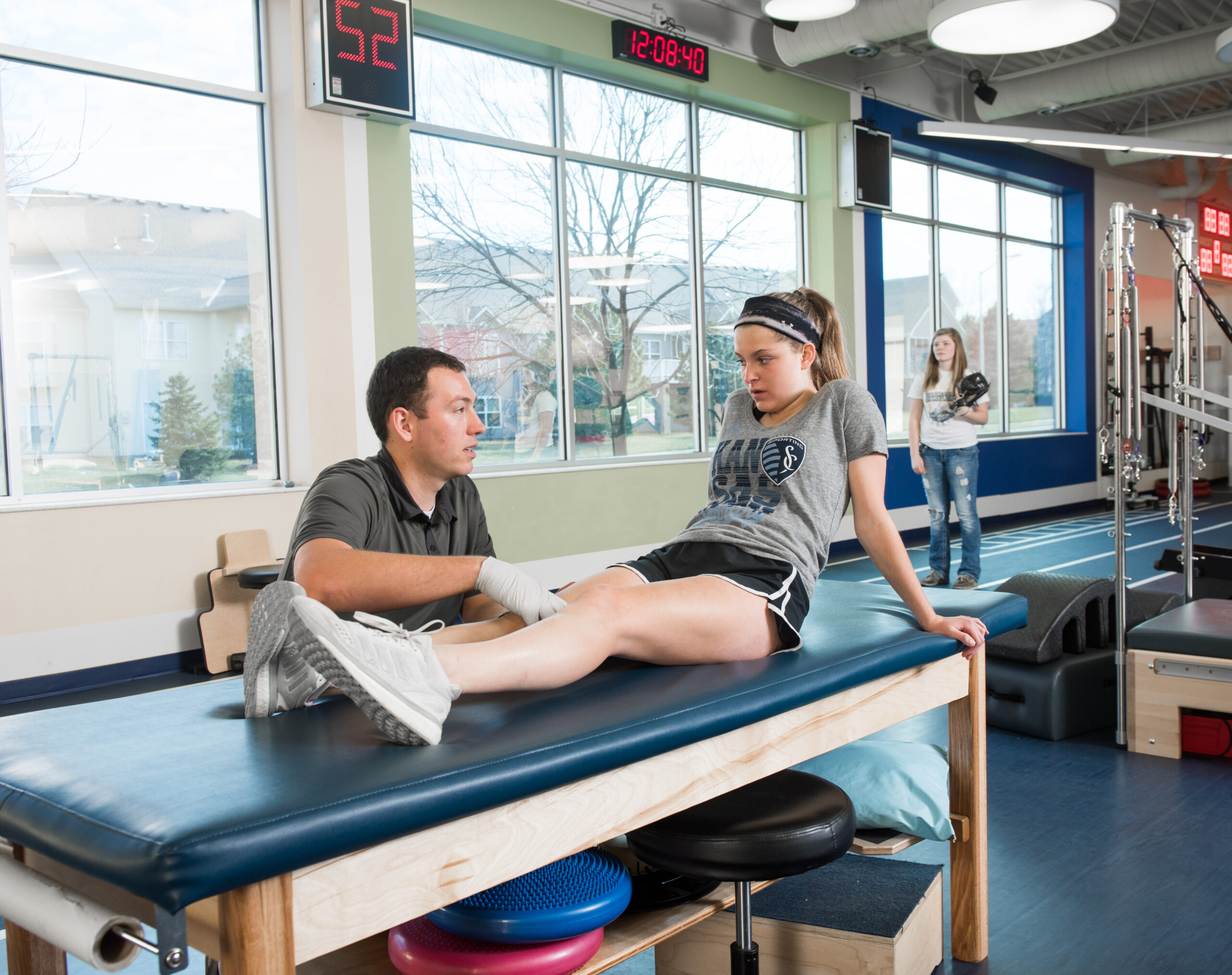 Growing bodies aren’t just “small adult bodies”.
Kids and teens have something adults don’t – open growth plates. These areas of developing tissue are more vulnerable than muscles or tendons. That means repetitive motions like running, jumping or throwing can put extra stress on a growing body, especially during growth spurts.
If your child has pain that keeps coming back, gets worse with activity, or changes how they move, it’s worth paying attention. Those “little aches” aren’t always something to push through.

Watch for signs of overuse.
Overuse injuries are becoming more common, especially for kids who play one sport year-round or participate on multiple teams at once.
A few signs to look out for include:
- Pain during or after activity
- Swelling or tenderness
- Changes in form or performance
- Less excitement about practices or games
If your child mentions pain more than once, it’s important to listen. Resting early can help prevent a longer, more frustrating recovery later.
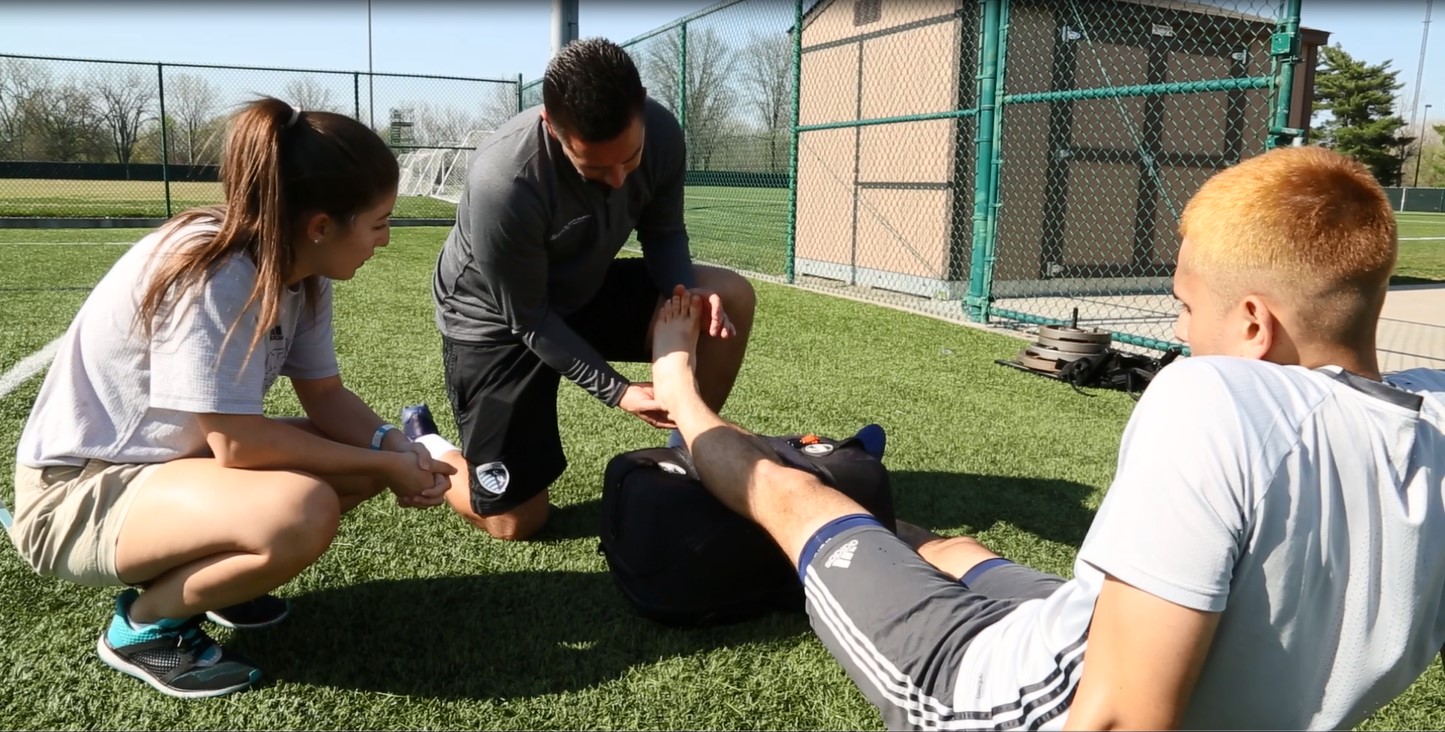 Simple ways to help prevent injury.
You don’t need to be a medical expert to support your young athlete. A few small habits can go a long way:
- Encourage rest and variety. Taking breaks and trying different sports helps avoid overworking the same muscles.
- Make time for warm-ups and cool-downs. Stretching before and after activity helps the body prepare and recover.
- Pay attention to fatigue. Tired athletes are more likely to get hurt. It’s okay to sit out when needed.
- Support emotional health too. Injuries can be tough mentally. Keep communication open and remind your child that healing takes time.
What to do when an injury happens.
Even with the best prevention, injuries still occur. Getting the right care early can help avoid bigger issues and support a safe return to play.
Pediatric-focused providers understand how growing bodies are different and can create treatment plans that protect long-term health, not just quick recovery.
Keeping sports fun and safe.
At the end of the day, sports should be about fun, growth and confidence…not playing through pain. By staying aware of warning signs and encouraging balance, you can help your child stay active and healthy for years to come.
If something doesn’t feel right, trust your instincts as a parent. Getting answers early can help your young athlete get back to doing what they love, safely.
If your child has an injury or ongoing pain, Children’s Mercy offers pediatric orthopedic care designed just for kids, including telemedicine visits that make it easy to connect with experts from home. You can get guidance, next steps and peace of mind without leaving Wichita. Learn more at childrensmercy.org/wichita.
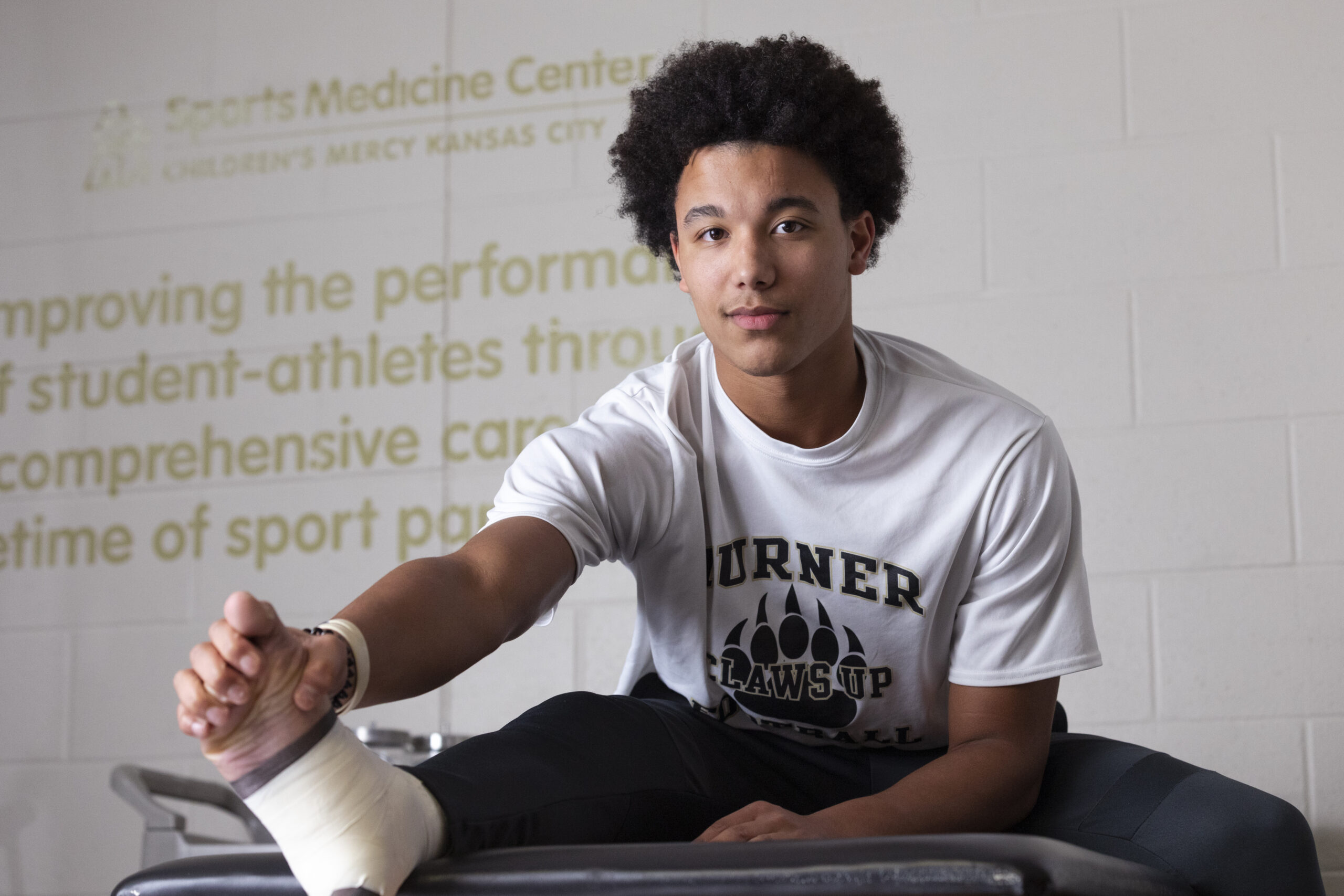 Sponsored by Children’s Mercy Wichita.

Children’s Mercy Wichita offers a child-friendly environment to provide families access to pediatric specialty care that otherwise might not be available without traveling out of the community including Cardiology, Endocrinology, Nephrology, Hepatology, Neurosurgery, Plastic Surgery and more.
Kevin Latz, MD, MBA, is a pediatric orthopedic surgeon in the Division of Sports Medicine within the Department of Orthopedic Surgery at Children’s Mercy. He completed advanced training in pediatric orthopedic surgery at the Hospital for Sick Children in Toronto and in pediatric and adolescent sports medicine at Boston Children’s Hospital. Dr. Latz focuses on the evaluation and treatment of acute musculoskeletal injuries in children and adolescents, with an emphasis on safe return to sport and injury prevention.