






An age-old question many parents wonder: How can I help my child build healthy eating habits that last a lifetime? The good news is you don’t have to be perfect – just present, positive and willing to try new things together.
Raising Healthy Eaters
Be the role model your child needs
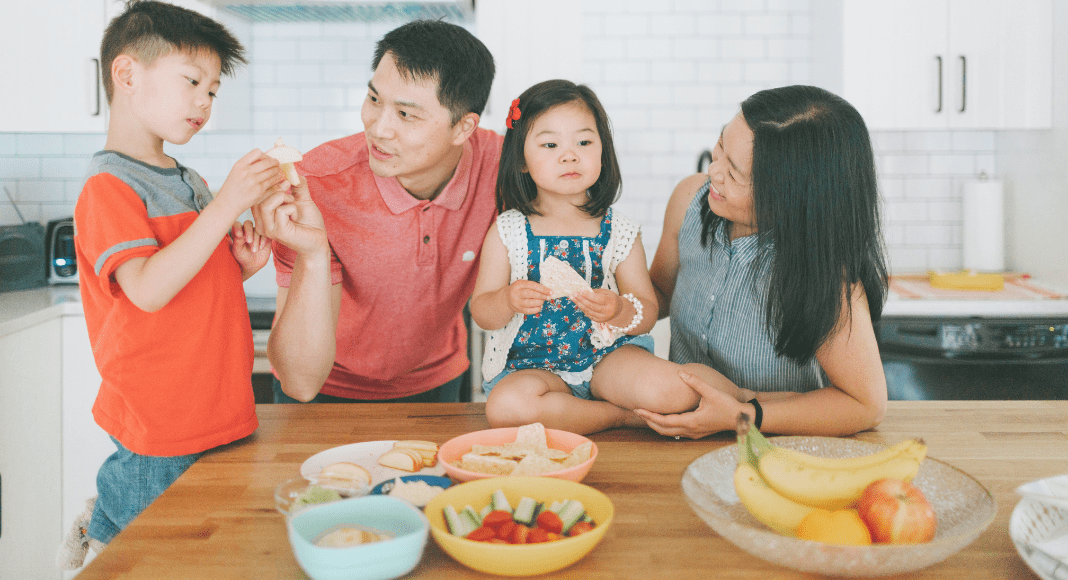
Children learn by watching the adults around them. When you make mealtime a positive shared experience, you’re setting the stage for lifelong healthy habits. Here are a few ways to lead by example:
- Eat together at the table. Make meals and snacks a family event free from distractions like phones or TV. This helps kids focus on their food and enjoy the experience.
- Try new foods together. If you want your child to be adventurous, show them how it’s done. Taste new fruits, veggies or recipes alongside them. When kids see you enjoying something new, they’re more likely to give it a try.
- Keep things positive. Celebrate small steps like tasting a new vegetable or finishing a balanced meal. Avoid pressure or negativity around food — your encouragement matters more than you think.
Navigating picky eating without stress
Picky eating is common, but patience and consistency can help your child expand their palate:
- Offer, don’t force. Present new foods without pressure. It can take 10–15 tries before a child accepts something new.
- Pair new with familiar. Serve new foods alongside something your child already likes.
- Make it fun. Use creative shapes, colorful plates or let kids help with meal prep. When they’re involved, they’re more likely to give things a try.
- Stay positive. Avoid labels like “picky.” Instead, encourage curiosity and celebrate every small win.
Making healthy eating fun at any age
- Involve kids in the process. Let them pick a new fruit or veggie at the store, help wash produce or plan a healthy meal for the week.
- Offer choices. Instead of “Do you want broccoli?” try “Would you like broccoli or carrots?” Giving options helps kids feel in control.
- Turn meals into adventures. Create colorful plates, use fun names for veggies like “superhero spinach” or try themed nights like “Rainbow Dinner” where every food is a different color.
Balancing convenience and nutrition
Busy weeknights? No problem. Prepare large batches of dinner and freeze half for another night. Pair convenience foods with fruits and veggies — think frozen pizza with a tossed salad or yogurt with berries for dessert. Planning ahead makes healthy choices easier.
Reinforcing healthy habits beyond home
Schools and community programs play a big role in shaping kids’ eating habits. Nutrition education, cooking classes and school gardens give children practical skills. At home, talk about what they’re learning and encourage hands-on experiences in your own kitchen.
Handling outside influences
Kids are exposed to advertising, peer pressure and social media trends. Show balance — enjoy treats occasionally but make fruits, veggies and whole foods the norm. Talk openly about food trends and teach your child to look for evidence-based advice like consulting a registered dietitian.
Signs of a healthy relationship with food
Look for these positive signs:
- Eats when hungry, stops when full
- Enjoys a variety of foods without guilt
- Flexible — no “good” or “bad” food labels
- Positive, relaxed attitude at mealtimes
- No secrecy or hiding food
- Healthy body image and language
Healthy eating is a journey. By making mealtimes positive and engaging, you’re giving your child the tools for lifelong wellness.
Sponsored by Children’s Mercy in Wichita.

Children’s Mercy in Wichita offers a child-friendly environment to provide families access to pediatric specialty care that otherwise might not be available without traveling out of the community including Cardiology, Endocrinology, Nephrology, Hepatology, Neurosurgery, Plastic Surgery and more.
Sarah Marcy, Nutrition Services Manager at Children’s Mercy Wichita Specialty Clinic is a Registered, Licensed Dietitian. She is a past president of both the Wichita and Kansas Academies of Nutrition and Dietetics. Outside of her professional role, Sarah is a proud mother of three active children. When she’s not cheering them on at sporting events, she enjoys family travel and reading.